Integrate: Four Modules
A cohesive 200-hour yoga teacher training, Integrate consists of modules: Safety, Self, Systems and Service. The training welcomes practitioners interested in depth, whether or not they plan to teach. Participants can complete the full program over one academic year or take individual modules, with flexible pricing and scheduling options.
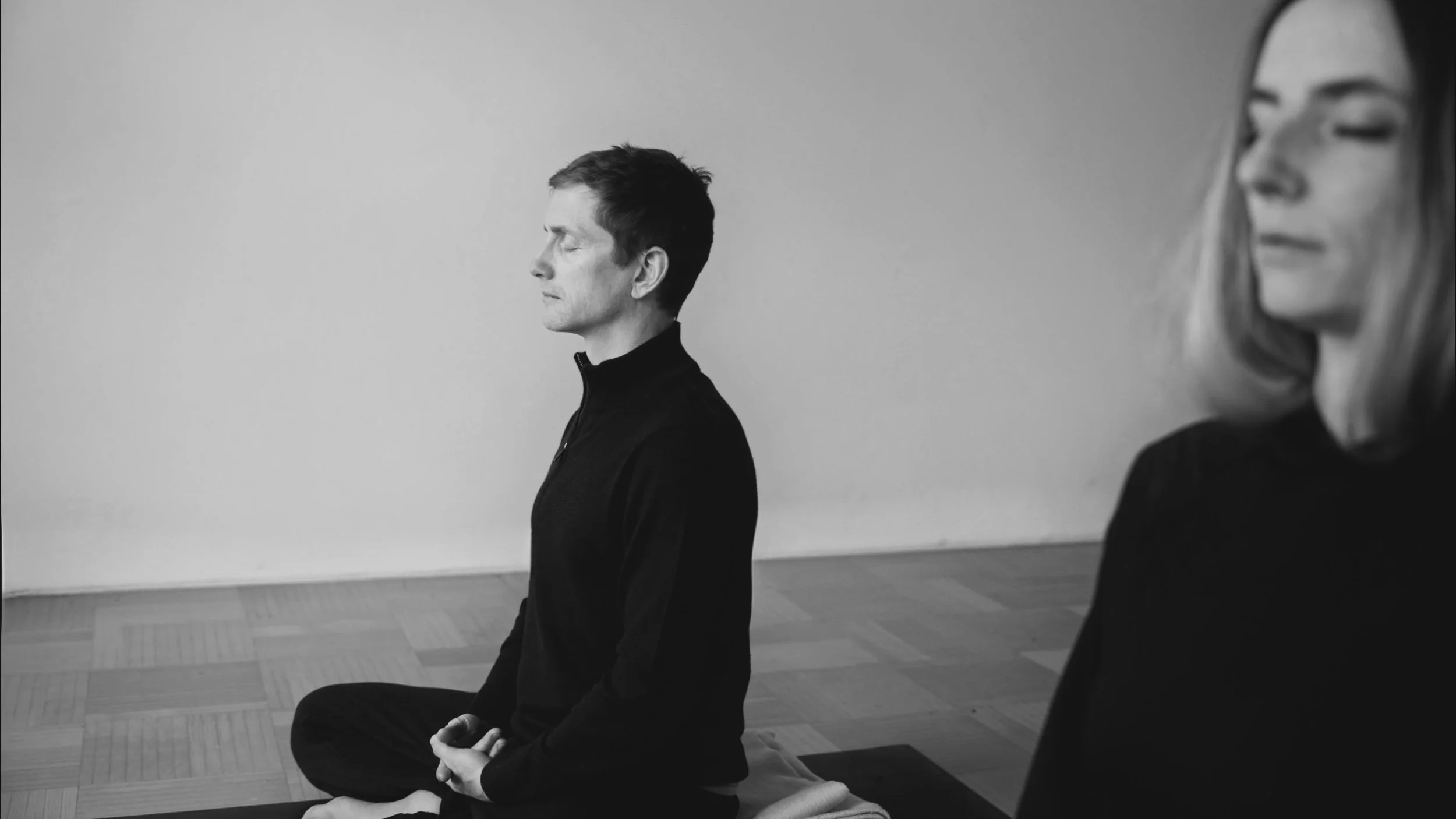
Integrate blends all four modules into a cohesive 200-hour yoga teacher training. Over the course of one academic year, focus moves from foundational stability in the lower body to self-awareness, spinal and core integration, upper body and relating to complexity, and the skills needed for service and teaching. Anatomy, alignment, breath, and nervous system principles are explored alongside somatic inquiry, reflective practice, and philosophy.
Experience stands at the core. Each weekend and intensive week blends active practice, exploration of habitual patterns, and inquiry. Participants explore how the body organizes, how breath and core support movement, and how alignment, effort, and release interact. The work emphasizes bridging the gap between understanding into embodiment, preparing practitioners to teach, guide, or deepen their own practice.
Integrate fuses personal development and somatic knowledge into one progressive journey. Completing all four modules provides a solid foundation for skillful teaching and lifelong practice.
Dates and themes:
September 18 — 20, 2026: Feet
Themes:
Functional anatomy of the feet and ankles
Grounding and the experience of safety in practice
Load distribution in standing postures
Stabilization strategies and fatigue
October 9 — 11, 2026: Legs
Themes:
Functional anatomy of the legs and knees
Individual standing strategies and asymmetries
Dynamic leg use and proprioception in asana
Interplay between effort and yield in various aspects of yoga
November 6 — 8, 2026 : Hips
Themes:
Functional anatomy of the hips
Mobility and stability in the hip complex
Redistribution of force between legs and core
Boundaries — somatic, psychological, and philosophical explorations
December 4 — 6, 2026: Pelvis
Themes:
Functional anatomy of pelvis
Sacroiliac joints in Vinyasa based Yoga
Mula Bandha and integration of the lower triangle
Attraction and aversion, samskaras
January 8 — 10, 2027: Spine
Themes:
Functional anatomy of the spine
Modern trunk alignment in asana
Spine as the “organ” of continuity
Ego as management, integration of shadows into self
February 5 — 7, 2027: Core
Themes:
Functional anatomy of core as a multi-layered, three dimensional structure
Breath–core coordination and internal pressure systems
Containment and release in movement
Somatic indicators of self-regulation
March 5 — 7, 2027 : Breath
Themes:
Functional anatomy and physiology of breathing
Autonomic nervous system and regulation
Effects of relational patterns on the nervous system
Structuring personal practice for internal stability and relational embodiment
April 2 — 4, 2027: Thorax
Themes:
Functional anatomy of the thorax
Integration of spine, breath, and posture
The Hero’s Journey
Breath as the force of integration; Uddyiana Bandha
April 30 — May 2, 2027: Shoulders
Themes:
Functional anatomy of the shoulders
Repetitive stress patterns in shoulder girdle; injury prevention
Breath integration into shoulder engagement
Complexity: degrees of challenge and capacity
May 28 — 30, 2027: Upper extremities
Themes:
Functional anatomy of upper extremities
Load pathways: Elbow — and wrist management in yoga
Arms as instruments of interaction, boundaries and intimacy
Inversion immersion
June 11 — 13, 2027 : Neck
Themes:
Functional anatomy of neck and head
Upper-triangle mechanics for posture, support, and movement flow
Expression versus restraint in posture and effort
Upper triangle anatomy and the concept of Rudra Granthi
July 19 — 23 2027 : Teaching immersion
Themes:
Communication and sequencing skills
Responding to different students and situations
Ehics and psychology of the teacher–student relationship
Relationship to money
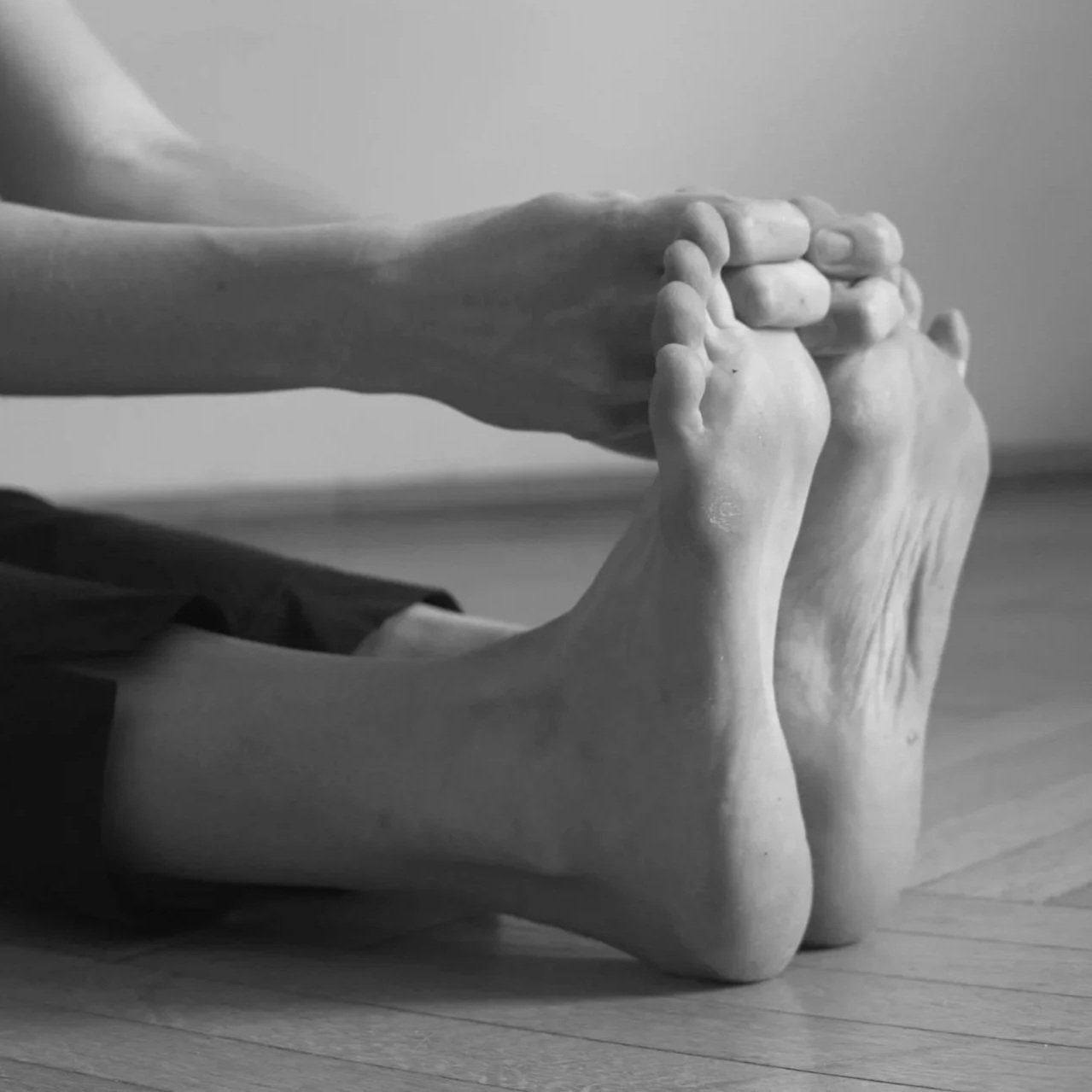
Module 1 builds the foundation for grounded yoga practice. Over four weekends, attention moves from the feet upward through the legs and hips to the pelvis. The work draws on functional anatomy, alignment principles, and yoga philosophy. These perspectives provide the framework for understanding how the lower body organizes and stabilizes movement.
Experience stands at the center of the training. Each weekend begins with extended yoga practice. Somatic inquiry and reflection accompany provide a framework for all content.
Safety asks: how does stability feel? What is the experience of presence? How can effort ease into efficiency?
The module examines how load travels through the body and how muscular strategies support or disturb balance. Asymmetries become visible through standing and dynamic asana labs, which develop practical ways to stabilize and adapt. Alongside this physical work, themes of boundaries, attraction and aversion, and samskaras are explored. The lower triangle gradually becomes established as the base for all further practice and teaching.
September 18 — 20, 2026: Feet
Themes:
Functional anatomy of the feet and ankles
Grounding and the experience of safety in practice
Load distribution in standing postures
Stabilization strategies and fatigue
October 9 — 11, 2026: Legs
Themes:
Functional anatomy of the legs and knees
Individual standing strategies and asymmetries
Dynamic leg use and proprioception in asana
Interplay between effort and yield in various aspects of yoga
November 6 — 8, 2026 : Hips
Themes:
Functional anatomy of the hips
Mobility and stability in the hip complex
Redistribution of force between legs and core
Boundaries — somatic, psychological, and philosophical explorations
December 4 — 6, 2026: Pelvis
Themes:
Functional anatomy of pelvis
Sacroiliac joints in Vinyasa based Yoga
Mula Bandha and integration of the lower triangle
Attraction and aversion, samskaras
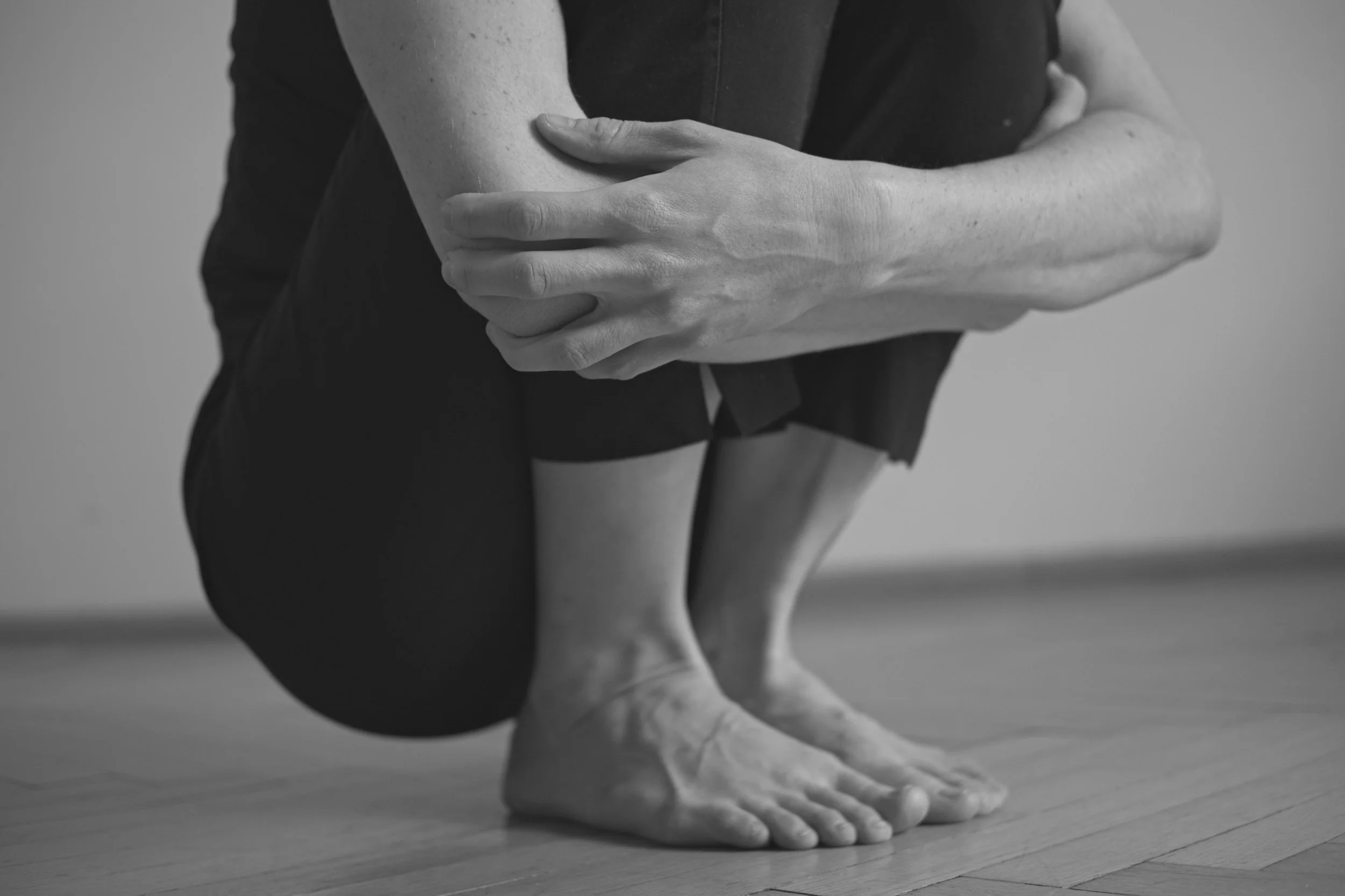
Module 2 explores identity and the body’s inner axis across four weekends dedicated to the spine, core, breath, and chest.
Physically, the module examines the mechanics of spinal movement and muscular stabilization, including a deep-dive into the relationship between the diaphragm, psoas, and pelvic floor, and the ways in which internal pressure systems anchor movement. One weekend is dedicated to the autonomic nervous system, exploring how rhythm, pacing, and breath influence regulation. Finally, work with the rib cage and thoracic mobility gradually opens the chest, linking breath, spine, and posture. Key questions guide the physical journey throughout: how do breath and spinal movement shape perception and embodied experience? How does the body organize around support, pressure, and release? And how can yoga support self-regulation?
Philosophically, the module examines the self as an integrating structure through which freedom, agency, and power become possible. As the spine and breath become more organized, questions of inner orientation come into focus: What is the nature and price of my freedom? What does my power serve? And how can I participate more fully in life? Through this lens, embodied practice extends into a larger process of transformation and meaning-making.
Experience remains the center of the training. Each weekend begins with extended practice, supported by ongoing somatic inquiry and reflection. Together, these explorations establish the spine, breath, core and self, as an integrated center for both practice and teaching.
January 8 — 10, 2027: Spine
Themes:
Functional anatomy of the spine
Modern trunk alignment in asana
Spine as the “organ” of continuity
Ego as management, integration of shadows into self
February 5 — 7, 2027: Core
Themes:
Functional anatomy of core as a multi-layered, three dimensional structure
Breath–core coordination and internal pressure systems
Containment and release in movement
Somatic indicators of self-regulation
March 5 — 7, 2027 : Breath
Themes:
Functional anatomy and physiology of breathing
Autonomic nervous system and -regulation
Effects of relational patterns on the nervous system
Structuring personal practice for internal stability and relational embodiment
April 2 — 4, 2027: Thorax
Themes:
Functional anatomy of the thorax
Integration of spine, breath, and posture
The Hero’s Journey
Breath as the force of integration; Uddiyana Bandha
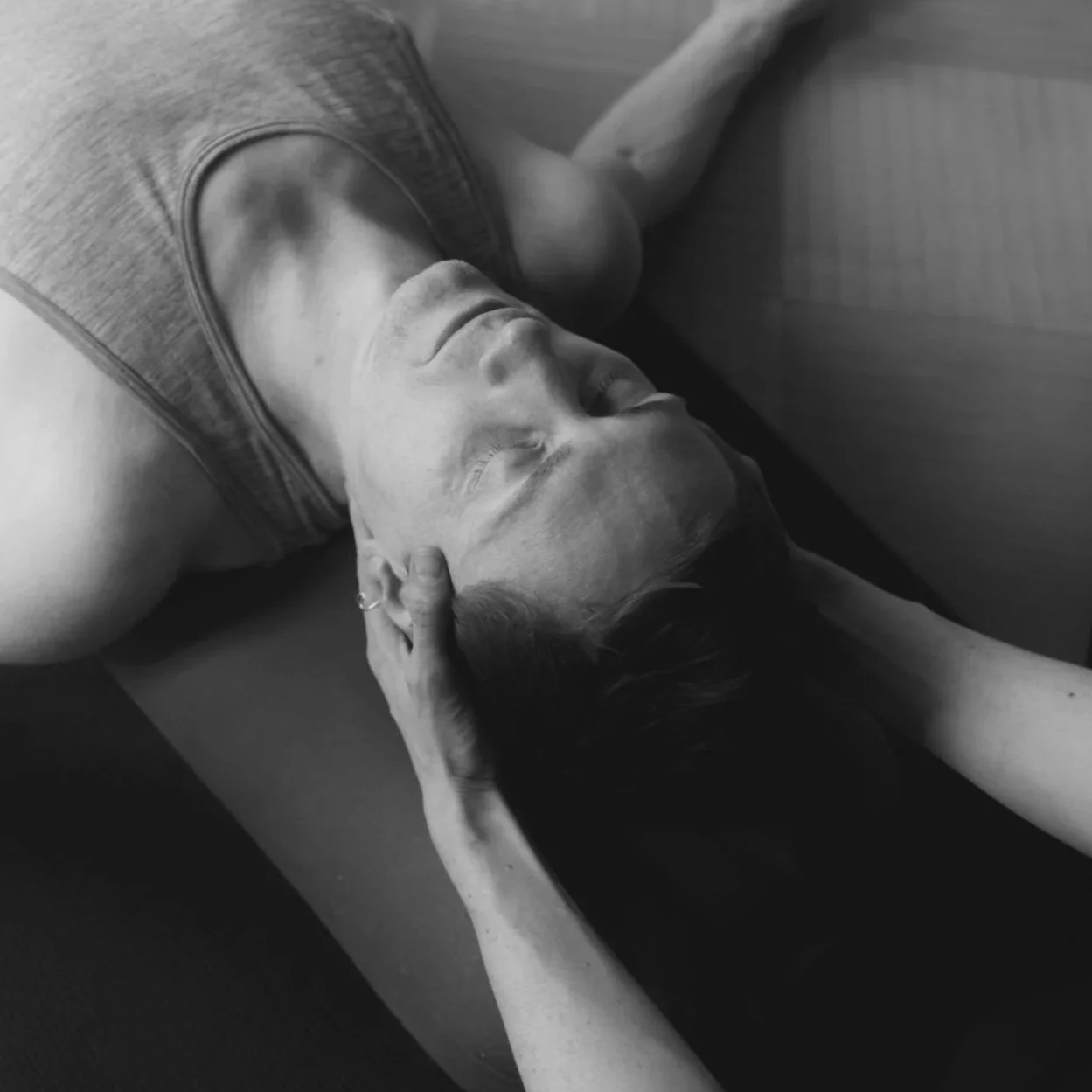
Module 4 focuses on teaching yoga as a profession. Over an intensive week, trainees refine their communication and sequencing skills. The module also addresses the ethics and psychology of the teacher–student relationship.
Teaching labs form the core of the week. Participants design and teach short sequences, receive structured feedback, and refine verbal instruction, pacing, and class organization. Emphasis is placed on clear communication, appropriate use of language, and the ability to respond to different students and situations.
Service also includes the professional context of teaching yoga. Sessions cover the foundations of yoga business, the teacher’s relationship to money, and the transition from personal practice to offering work in the world. By the end of the week, participants gain practical teaching experience, clearer professional orientation, and a grounded understanding of how to translate inner work into responsible service.
July 19 - 23, 2027
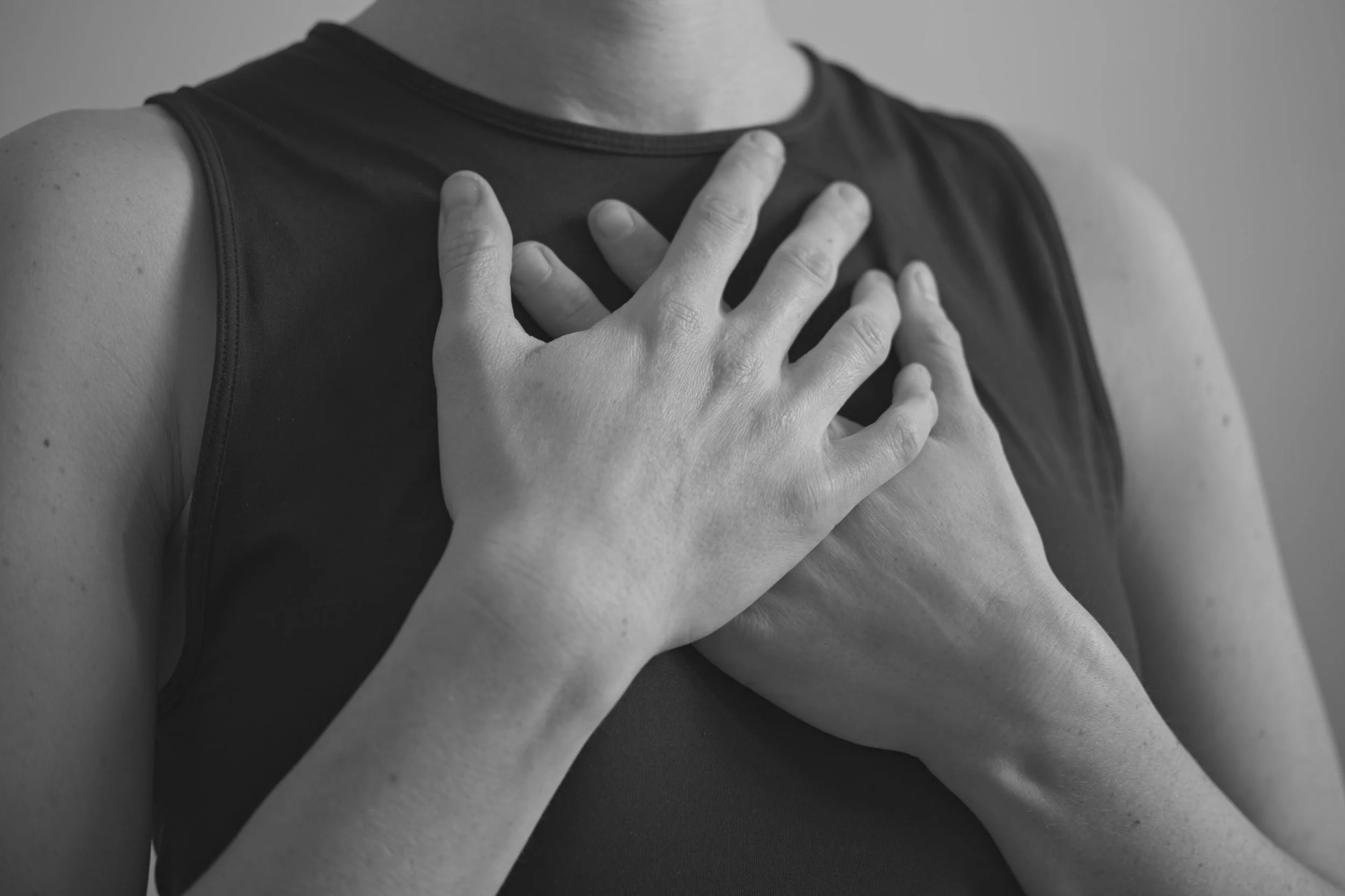
Module 3 explores the complexity of the upper body in motion. Over three weekends, Systems covers hands, arms, shoulders and neck. Participants engage anatomy, alignment, and yoga philosophy to understand how the upper body transfers weight, manages load, and organizes movement. Systems introduces the upper body as a center of complexity and connection in yoga.
Experience remains central. Each weekend begins with active practice and somatic exploration. Participants notice habitual tension, experiment with release, and observe how alignment shapes ease and stability. The central questions become: how does the upper body create both mobility and support? Where do holding patterns limit presence and flow?
The module guides participants to explore shoulder mechanics, arm strength, wrist and neck alignment, and upper thoracic weight shifts. They track how breath influences movement, refine Haltemuster in the chest and neck, and bring awareness to energy and perception in each posture. By integrating alignment, sensation, and mindful attention, the work cultivates discernment in practice, teaching, and embodiment.
Dates:
April 30 — May 2, 2027: Shoulders
Themes:
Functional anatomy of the shoulders
Repetitive stress patterns in shoulder girdle; injury prevention
Breath integration into shoulder engagement
Complexity: degrees of challenge and capacity
May 28 — 30, 2027: Upper extremities
Themes:
Functional anatomy of upper extremities
Load pathways: Elbow — and wrist management in yoga
Arms as instruments of interaction, boundaries and intimacy
Inversion immersion
June 11 — 13, 2027 : Neck
Functional anatomy of neck and head
Upper-triangle mechanics for posture, support, and movement flow
Expression versus restraint in posture and effort
Upper triangle anatomy and the concept of Rudra Granthi